

Hey there! As a cable wire supplier, I've seen firsthand how crucial proper cable wire labeling is. It's not just about making things look organized; it's about safety, efficiency, and saving a whole lot of time. In this blog, I'm gonna share some tips on how to label cable wires like a pro.
Why Labeling Cable Wires Matters
First off, let's talk about why labeling cable wires is so important. Picture this: You're in a server room or a big industrial setup, and there are hundreds of cables running everywhere. Without proper labels, it's like trying to find a needle in a haystack. You might end up pulling the wrong cable, which could lead to system failures, downtime, and even safety hazards.
Proper labeling also makes maintenance and troubleshooting a breeze. When you know exactly which cable is which, you can quickly identify and fix any issues that come up. It saves you time and money in the long run, and it keeps your operations running smoothly.
Types of Cable Wire Labels
There are a few different types of cable wire labels you can use, depending on your needs. Here are some of the most common ones:
- Adhesive Labels: These are the most popular type of cable wire labels. They're easy to apply and come in a variety of sizes and shapes. You can print your own labels using a label printer, or you can buy pre-printed labels.
- Shrink Sleeves: Shrink sleeves are a great option for cables that are exposed to harsh environments. They're made of a heat-shrinkable material that conforms to the shape of the cable when heated. This provides a tight, secure fit that protects the label from damage.
- Wrap-Around Labels: Wrap-around labels are designed to wrap around the cable, providing a 360-degree view of the label. They're ideal for cables that are difficult to access or for labels that need to be visible from multiple angles.
- Marker Tapes: Marker tapes are a simple and cost-effective way to label cables. They're made of a flexible material that can be wrapped around the cable and secured with a fastener. You can write on the tape using a marker or a label printer.
What to Include on Your Cable Wire Labels
When labeling your cable wires, it's important to include all the necessary information. Here are some of the things you should consider including:
- Cable Type: This tells you what kind of cable it is, such as Ethernet, coaxial, or power cable.
- Destination: This tells you where the cable is going, such as a specific device or location.
- Source: This tells you where the cable is coming from, such as a specific device or location.
- Length: This tells you how long the cable is, which can be useful for troubleshooting and installation.
- Date of Installation: This tells you when the cable was installed, which can be useful for maintenance and replacement.
- Any Other Relevant Information: This could include things like the cable's color, gauge, or voltage rating.
How to Apply Cable Wire Labels
Applying cable wire labels is a pretty straightforward process, but there are a few things you need to keep in mind to ensure a proper application. Here are some tips:
- Clean the Surface: Before applying the label, make sure the surface of the cable is clean and dry. This will help the label adhere better and prevent it from peeling off.
- Measure and Cut the Label: Measure the length of the cable and cut the label to the appropriate size. Make sure the label is long enough to wrap around the cable without overlapping.
- Apply the Label: Starting at one end of the cable, carefully apply the label to the surface of the cable. Smooth out any wrinkles or bubbles as you go.
- Secure the Label: If you're using an adhesive label, make sure to press down firmly on the label to ensure a good bond. If you're using a shrink sleeve or wrap-around label, follow the manufacturer's instructions for securing the label.
- Test the Label: Once the label is applied, give it a quick tug to make sure it's securely attached. If the label comes off easily, you may need to reapply it or use a different type of label.
Best Practices for Cable Wire Labeling
Here are some best practices to keep in mind when labeling your cable wires:
- Use a Consistent Labeling System: Make sure you use the same labeling system for all your cables. This will make it easier to read and understand the labels, and it will help you maintain consistency across your organization.
- Keep the Labels Simple and Clear: Use clear, concise language on your labels. Avoid using abbreviations or acronyms that may not be familiar to everyone.
- Use Color Coding: Color coding can be a great way to quickly identify different types of cables. For example, you could use red for power cables, blue for Ethernet cables, and green for coaxial cables.
- Update the Labels Regularly: As your network or system changes, make sure you update the labels on your cables accordingly. This will ensure that the labels are accurate and up-to-date.
- Store the Labels Properly: Make sure you store your cable wire labels in a cool, dry place. This will help prevent the labels from fading or peeling over time.
Examples of Cable Wire Labels
Here are some examples of cable wire labels you can use for different types of cables:

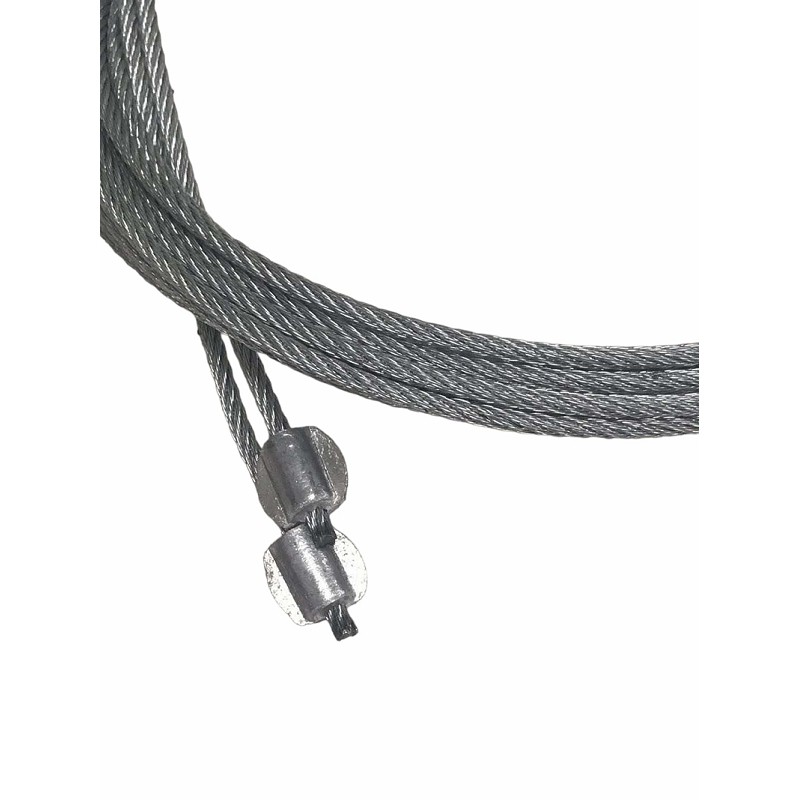
- Ethernet Cable:
- Cable Type: Ethernet
- Destination: Server Room - Rack 2 - Port 3
- Source: Office - Desk 5 - PC
- Length: 25 feet
- Date of Installation: 01/01/2023
- Power Cable:
- Cable Type: Power
- Destination: UPS - Outlet 2
- Source: Electrical Panel - Circuit 5
- Length: 10 feet
- Date of Installation: 02/15/2023
- Coaxial Cable:
- Cable Type: Coaxial
- Destination: TV - Living Room
- Source: Cable Modem - Basement
- Length: 30 feet
- Date of Installation: 03/20/2023
Where to Find Cable Wire Labels
There are a few different places you can find cable wire labels. Here are some of the most common options:
- Office Supply Stores: Many office supply stores carry a variety of cable wire labels. You can find adhesive labels, marker tapes, and other types of labels at these stores.
- Online Retailers: There are many online retailers that specialize in cable wire labels. You can find a wide selection of labels at these stores, and you can often get them at a lower price than you would at a physical store.
- Cable Wire Suppliers: As a cable wire supplier, I offer a variety of cable wire labels. You can find high-quality labels that are designed to meet your specific needs at my store.
Conclusion
Labeling your cable wires is an important part of maintaining a safe and efficient network or system. By following the tips and best practices outlined in this blog, you can label your cables like a pro and ensure that your operations run smoothly.
If you're in the market for cable wire labels or any other cable wire products, I'd love to help. I offer a wide selection of high-quality cable wire products at competitive prices. Whether you need Ethernet cables, power cables, or coaxial cables, I've got you covered.
You can check out some of our specific products, like the Garage Door Torsion Cable for 12ft High Doors, Garage Door Torsion Cable for 8ft High Doors, and Garage Door Torsion Cable for 9ft High Doors.
If you have any questions or need more information, please don't hesitate to reach out. I'm here to help you find the right cable wire products for your needs. Let's start a conversation and see how we can work together to meet your cable wire requirements.
References
- Cable Labeling Best Practices, Industry Standards Association
- Guide to Cable Management, TechTarget
